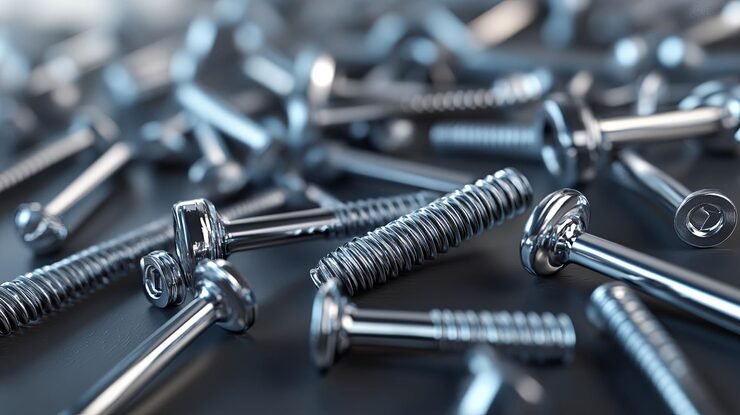
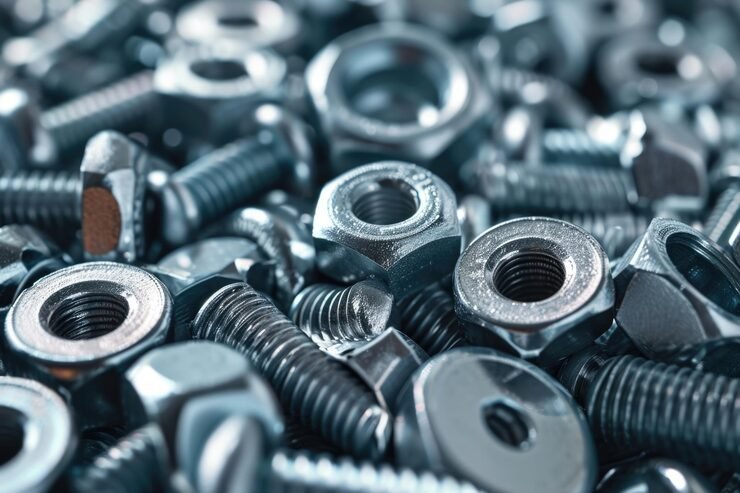
Fasteners are essential components used to join or secure materials together. They come in a wide variety of types, each designed for specific applications and environments. Below is a detailed breakdown of the main product categories of fasteners:
Bolts are threaded fasteners that are typically used with a nut to secure two or more parts together. Common types include:
Hex Bolts: Six-sided heads for easy tightening with a wrench.
Carriage Bolts: Smooth, rounded heads with a square neck to prevent rotation.
Lag Bolts: Large, wood screws used for heavy-duty applications.
Machine Bolts: Used in machinery and equipment.
Nuts are threaded fasteners that are used with bolts to secure components. Common types include:
Hex Nuts: Six-sided nuts for easy tightening.
Lock Nuts: Designed to prevent loosening due to vibration.
Wing Nuts: Easy to tighten by hand.
Cap Nuts: Provide a finished appearance.
Screws are threaded fasteners that are typically driven into a material to secure it. Common types include:
Wood Screws: Designed for use in wood.
Sheet Metal Screws: Used for fastening thin metal sheets.
Self-Tapping Screws: Create their own threads as they are driven into the material.
Machine Screws: Used in machinery and equipment.
Washers are thin plates with a hole in the center, used to distribute the load of a threaded fastener. Common types include:
Flat Washers: Used to distribute the load.
Lock Washers: Designed to prevent loosening.
Spring Washers: Provide a spring-like action to maintain tension.
Rivets are permanent mechanical fasteners used to join two or more materials together. Common types include:
Solid Rivets: Used in heavy-duty applications.
Blind Rivets: Used when access is only available from one side.
Pop Rivets: Easy to install with a rivet gun.
Threaded inserts are used to create strong threads in weak materials such as plastic or thin metal. Common types include:
Helical Inserts: Spiral-shaped inserts for high-strength applications.
Press-Fit Inserts: Inserted into a hole and held in place by friction.
Self-clinching fasteners are designed to be permanently installed in thin sheet metal, PCBs, and other materials. Common types include:
Self-Clinching Nuts: Provide strong threads in thin materials.
Self-Clinching Studs: Used for mounting components.
Specialty fasteners are designed for specific applications and environments. Common types include:
Military Spec Fasteners: Meet military standards for strength and durability.
Marine Hardware Fasteners: Designed to withstand corrosive saltwater environments.
Electronic Hardware Fasteners: Used in electronic devices and equipment.
Custom fasteners are designed to meet specific engineering requirements. They can be made from a variety of materials, including stainless steel, titanium, and advanced alloys. Custom fasteners are often used in aerospace, medical, and defense applications.
Fasteners are a diverse group of components that play a crucial role in securing and joining materials. Understanding the different types and their applications is essential for selecting the right fastener for your project. Whether you need a standard bolt or a custom-designed fastener, there is a solution available to meet your needs.
Need help selecting the right fastener? Contact us to explore how our expertise can assist you in choosing the perfect fastener for your application.

 tianhong