Definition: Lead sealing screws are specialized fasteners used to secure electric meter covers, preventing unauthorized access or tampering. They often include a lead seal (or plastic seal) for added security.
Purpose: Ensure compliance with safety regulations, protect against theft, and maintain meter integrity in utility installations.
a. Material Compatibility
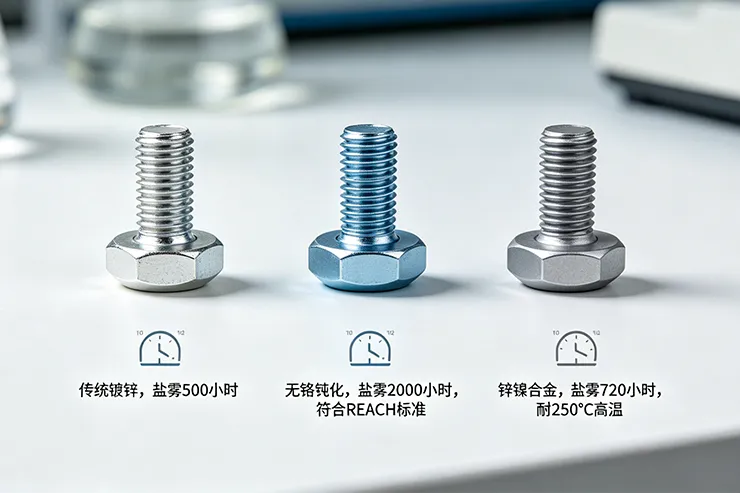
Stainless Steel (A2/A4 Grade): Ideal for outdoor or coastal environments due to corrosion resistance against moisture and salt spray. Avoid carbon steel in humid areas to prevent rust.
Plastic-Coated or Brass: Suitable for indoor applications where conductivity is a concern.
Avoid Dissimilar Metals: Mixing materials without insulation can cause galvanic corrosion.
b. Size & Thread Specifications
Match Original Dimensions: Use screws with the same diameter and thread pitch as the meter’s mounting holes (e.g., M5, M6).
Length: Opt for slightly longer screws if needed, but avoid overlong ones that may interfere with internal components.
c. Security Features
Tamper-Resistant Heads: Choose screws with Torx or round heads with integrated seals to deter unauthorized removal. Avoid standard slotted heads in public-access areas.
Locking Mechanisms: Some screws include thread-locking adhesives or unique designs to prevent loosening.
d. Environmental Resistance
IP65/NEMA 4X Compliance: Ensure screws and gaskets meet dust/water resistance standards for outdoor or industrial settings.
High-Temperature Stability: For substations or hot environments, select materials that maintain strength without degrading.
Torque Control: Use calibrated tools to tighten screws to the manufacturer’s specifications. Avoid hand-tightening for precision installations.
Seal Inspection: Before installation, check the existing gasket or O-ring for damage. Replace worn seals and apply dielectric grease to ensure a watertight fit.
Record Keeping: Maintain logs of screw types, torque values, and installation dates for audit purposes.
Utility Meters: Public infrastructure installations prioritize security and durability.
Industrial Settings: Corrosive or high-humidity environments require stainless steel or coated screws.
Residential Meters: Focus on ease of maintenance and cost-effectiveness.
Regular Inspections: Check for corrosion, loose screws, or damaged seals during routine audits.
Color-Coding: Use uniquely styled screws to identify sealed components quickly.
Training: Educate personnel on proper selection and installation techniques to minimize errors.
Follow industry guidelines (e.g., CENELEC for Europe) to ensure safety and regulatory adherence.
Verify compatibility with local utility protocols for tamper-proofing requirements.
Conclusion
Selecting the right lead sealing screws involves balancing material durability, security features, and environmental adaptability. By prioritizing stainless steel for harsh conditions, ensuring proper torque, and maintaining seals, you can enhance meter reliability and reduce tampering risks. Always consult the meter manufacturer’s specifications for exact requirements.
Need further details on specific screw types or installation steps? Let me know!

 tianhong