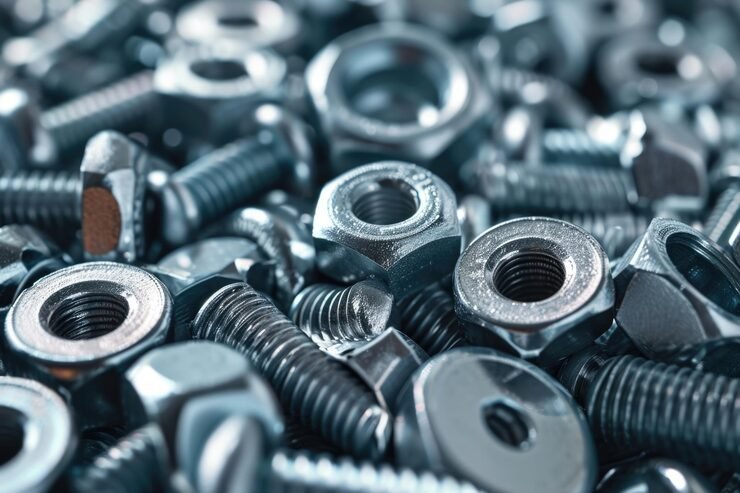
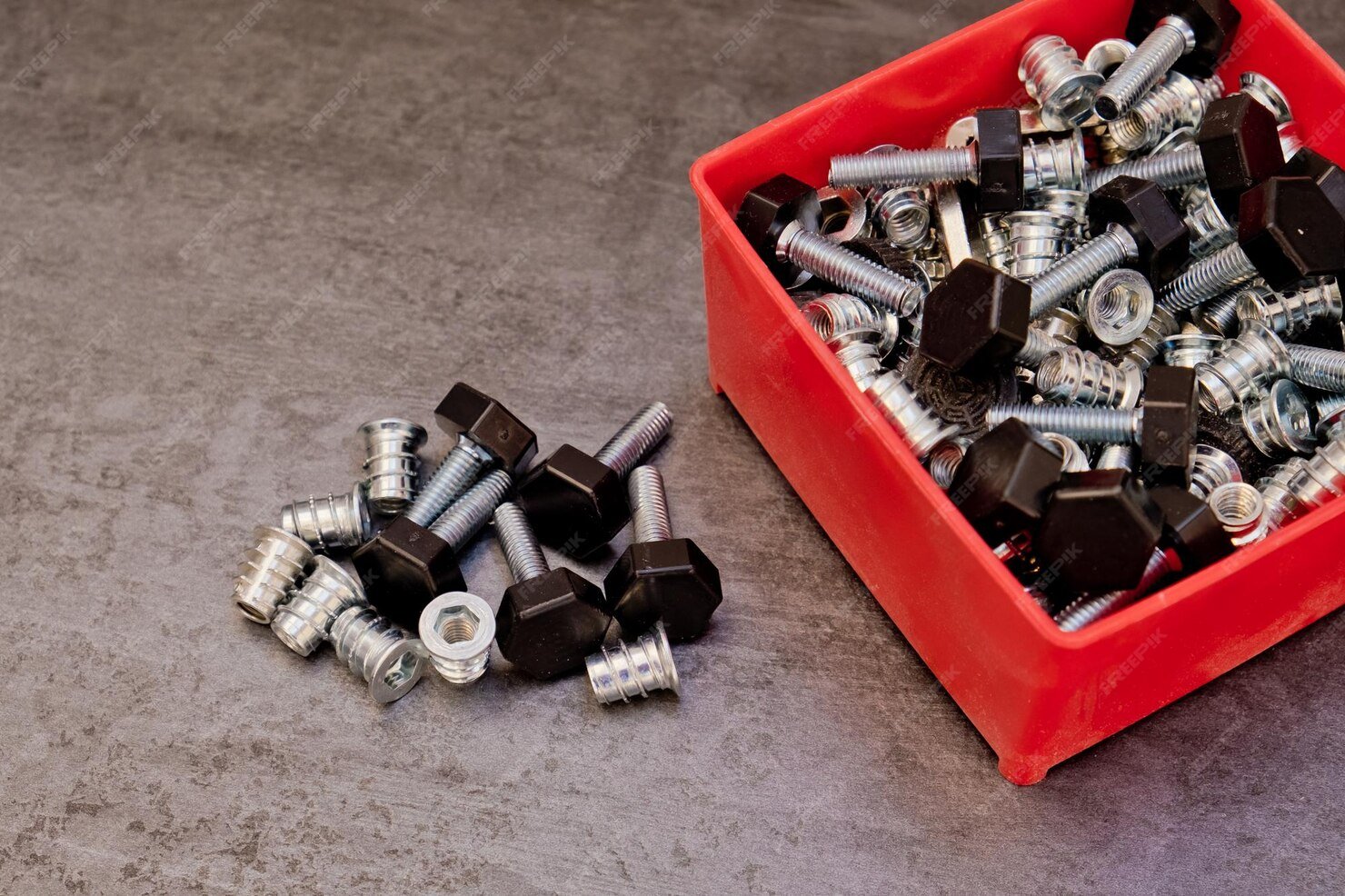
Oil and gas fasteners are designed to secure critical components against vibration, corrosion, thermal expansion, and mechanical stress.
Hence, the oil and gas sectors relied on these tools’ durability to keep massive equipment intact.
There are numerous fasteners, such as bolts, nuts, and screws, with varying specifications to ensure structural integrity.
Continue reading for a deeper examination of oil and gas fasteners, including their applications, varieties, and importance.
Oil and gas fasteners are intended to endure high strain, torque, and shear forces.
Furthermore, the fasteners connect components by applying and maintaining proper clamping force, preventing mechanical failures under varied operational stresses, such as:
Leaks
Fatigue
Joint separation
Other mechanical failures
Although certain kinds of oil and gas fasteners, along with their specific materials, outperform others in particular scenarios.
As a result, it is critical to select the appropriate fastener type and material, which will be addressed further.
There are various types of oil and gas fasteners on the market, and each one contributes to the industry’s structural integrity in its unique way. The types and how to distinguish them are listed below.
These oil and gas fasteners contain internal threading and often have a hexagonal body, allowing them to be linked to bolts or studs via their exterior threads.
Hence, nuts helped the other fasteners to withstand shear, tensile, and rotational forces to create secure connections in the oil and gas system.
It also has several types, including:
Jam Nuts
Flange Nuts
Heavy Hex Nuts
These fasteners for the oil industry have a cylinder body with external threads running along it, throughout it, with a head on the end, which is usually a hexagonal shape.
These oil and gas fasteners are typically used to connect components by screwing their threads into tapped holes or nuts.
They have various types, like hex bolts as well as heavy hex bolts, which are thicker and stronger.
They are similar to bolts but smaller, with either pointy or flat ends.
Hence, these oil and gas fasteners are more often used to connect smaller system elements.
These oil and gas fasteners are well-known for their conical disk or circular bodies. They aimed to spread the tension from the nuts or bolts when placed underneath it to avoid damage.
Other unique types of washers have distinct body shapes and advantages.
For example, locking washers that feature a helical body prevent nuts and bolts from loosening under changing conditions.
These oil and gas fasteners are recognizable by their long, slender metal bodies with threads running throughout the entire length, at either end or just in the middle.
They function similarly to long bolts or screws used to connect two or more materials in oil and gas equipment.
All oil and gas fasteners should be designed to fulfill dependability standards such as those established by the American Petroleum Institute, the American Society for Testing and Materials, and the National Association of Corrosion Engineers.
Here are the additional specifications and which oil and gas applications are suited for them:
| Fastener Type | Some Applications | Recommended Materials And Use If The Condition Requires The Following |
| Screws | Smaller connections in sealing covers, electrical equipment, and gadgets in oil and gas systems. | Stainless Steel: Exceptional strength and should withstand significant loads and pressures. Alloy Steel: Significant corrosion resistance. |
| Hex Bolts | Machinery Refineries Infrastructure. Pipeline Flanges |
Alloy Steel: Greater hardness and strength 17-4PH Stainless Steel: More resistant to corrosion |
| Heavy Hex Bolts | High-pressure connections and refinery equipment. | SAF 2507 Stainless Steel: Great resistance to corrosive conditions and excellent strength. ASTM A193 Grade B7 Alloy Steel: Good mechanical strength and can endure extreme stresses and temperatures. |
| Jam Nuts | High vibration conditions including Drilling Rigs | **Stainless Steel:**Strong corrosion resistance. Alloy Steel with Surface Treatments like Zinc Plating: High strength and toughness. |
| Flange Nuts | Wide surfaces that need to distribute pressure such as: Flanged Joints Sensitive Flange Connections |
Stainless Steel: Better corrosion resistance. Alloy Steel: Increased strength, wear, and heat resistance, and can maintain tight seals. |
| Heavy Hex Nuts | Critical high-strength purposes like: Pipeline Joints Pressure Vessel Connectors |
Alloy Steel: Increased resilience under mechanical stress and wear. Stainless Steel: Exceptional resistance to rust and corrosion. |
| Locking Washers | Used with bolts and nuts to prevent loosening under severe vibration or shifting weight environments like: Compressors Top Head Drives Blowout Preventers |
Hardened Alloy Steel: Superior hardness levels to sustain preload. Stainless Steel: Strong corrosion resistance. |
| Standard Flat Washers | Moderate load distribution under bolt heads/nuts in oil and gas industries such as: Some spherical separators and pumps that only require mild load dispersion |
Carbon Steel: Greater strength and load distribution Stainless Steel: Higher corrosion and rust resistance. |

 tianhong